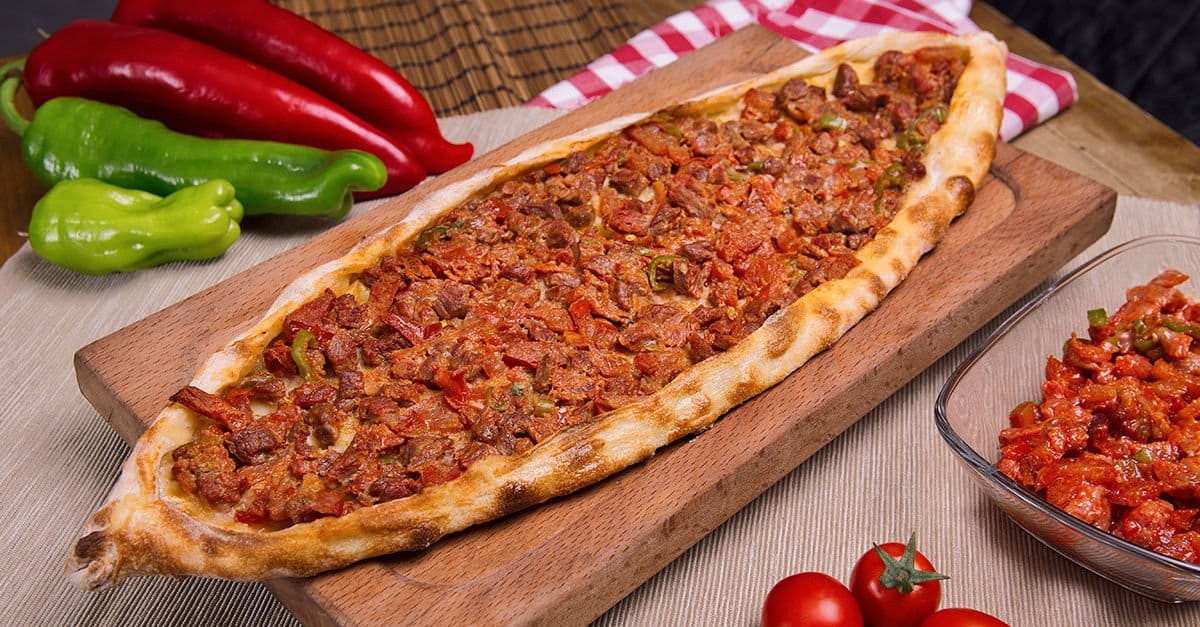
When you hear the word "pide," what comes to mind? For many food enthusiasts, it evokes the delicious aroma of freshly baked Turkish bread, often adorned with savory toppings. Yet, for history buffs, the term might trigger a very different association – a reference to Portugal's infamous secret police. While it's important to differentiate between these two distinct uses of the word (and you can delve into the history of the latter with our article on Portugal's PIDE: Legacy of Salazar's Secret Police Regime), this article will unequivocally focus on the culinary delight: Turkish pide, a beloved leavened bread that holds a special place in Turkish cuisine and is often considered a close cousin to the widely known pita.
Turkish pide is far more than just bread; it's a versatile culinary canvas, cherished for its soft, fluffy texture and ability to transform into a satisfying meal or a comforting snack. Often described as Turkey's answer to pizza, pide's charm lies in its simplicity and adaptability. Let's embark on a flavorful journey to explore the world of Turkish pide, understand its unique characteristics, and see how it stacks up against its Mediterranean counterpart, pita.
What Exactly is Turkish Pide? A Culinary Gem
At its heart, pide (pronounced pee-dae or pee-deh) is a type of leavened flatbread, meaning it uses yeast to achieve its characteristic rise and soft, airy texture. Originating from Turkey, this bread has been a staple for centuries, evolving into various forms and serving different purposes within Turkish households and eateries. It's truly a testament to the comforting power of simple ingredients transformed into something extraordinary.
The Two Main Avatars of Pide
You'll commonly encounter Turkish pide in two primary forms:
- Topped Pide (Pide with Filling): This is the version often likened to Turkish pizza. The hand-stretched or rolled dough forms a boat-like or oval shape, creating a shallow basin for an array of delicious fillings. Popular toppings include ground beef (kıymalı pide), seasoned lamb, various cheeses (peynirli pide), spinach, or even eggs. These are baked to perfection, resulting in a crispy crust and a gooey, flavorful center. It's a complete meal in itself, often served with a wedge of lemon to brighten the flavors.
- Plain Pide (Ramazan Pidesi): Especially prominent during the holy month of Ramadan, this variety is a round, fluffy bread, typically without a filling. It's distinguished by its unique diamond-shaped pattern pressed into the dough before baking, and often brushed with egg wash and sprinkled with sesame or nigella seeds. This softer, slightly thicker version is perfect for tearing and dipping into stews, soups, or accompanying mezze platters. Its comforting warmth and inviting aroma are deeply intertwined with the breaking of fasts during Ramadan, making it a symbol of communal dining and tradition.
The beauty of pide lies in its ability to be both a humble side and a star dish. Whether served hot and fresh from a wood-fired oven or enjoyed as a comforting snack, pide delivers a satisfying experience that speaks to the soul of Turkish gastronomy.
Pide vs. Pita: Unpacking the Leavened Bread Cousins
While both Turkish pide and pita bread share common ground as leavened flatbreads made from flour, water, yeast, and salt, they possess distinct characteristics that set them apart. Think of them as relatives in the vast family of bread, each with their own personality and culinary role.
Key Differences Between Pide and Pita
- Shape and Structure:
- Pita: Most commonly known for its round, flat shape and the distinctive "pocket" that forms during baking. This pocket makes pita ideal for stuffing with ingredients like falafel, gyros, or fresh salads, or for tearing into pieces to scoop up hummus and other dips.
- Pide: Can take on various shapes. The plain variety (Ramazan pidesi) is typically round with a decorative pattern, while the filled versions are often elongated, boat-shaped, or oval, creating a natural vessel for toppings rather than a pocket. The dough is usually thicker and softer than a standard pita, especially for the plain variants.
- Texture and Consistency:
- Pita: Tends to be thinner, with a slightly chewier texture. While soft, it's designed to hold its shape when filled.
- Pide: Generally boasts a softer, more pillowy interior, especially the plain versions. The edges of filled pide can become delightfully crispy from the heat of the oven, contrasting with the tender base.
- Culinary Applications:
- Pita: Primarily used as a vehicle for fillings or as a scooping bread for dips and spreads in Mediterranean and Middle Eastern cuisines.
- Pide: Offers greater versatility. The topped versions serve as a standalone meal, much like a pizza. The plain version is a fantastic accompaniment to almost any Turkish dish, from kebabs and stews to breakfast spreads and mezze. Its fluffiness makes it excellent for soaking up sauces and broths.
- Flavor Profile:
- Pita: Often has a subtle, neutral flavor, designed to complement the fillings or dips it accompanies.
- Pide: While also having a relatively mild base flavor, the use of egg wash and sesame/nigella seeds on plain pide adds a distinctive aroma and a slightly nutty taste. The filled versions, of course, burst with the flavors of their specific toppings.
While both breads offer delicious ways to enjoy leavened dough, pide's diversity in form and function makes it a truly unique culinary experience.
The Art of Making Pide: Simple Comfort from Your Kitchen
The idea of baking bread from scratch might seem daunting, but Turkish pide is surprisingly approachable, even for novice bakers. Many recipes for pide bread emphasize simplicity, often requiring no-knead techniques that minimize effort while maximizing flavor and texture. This makes it an incredibly rewarding project to tackle in your own kitchen.
Tips for Perfect Pide at Home
- Quality Ingredients: Start with good quality flour, fresh yeast, and olive oil for the best results.
- Proper Proofing: Give your dough ample time to rise in a warm place. This is crucial for developing that signature soft, airy texture.
- High Heat is Key: Authentic pide is often baked in very hot wood-fired ovens. At home, preheating your oven to its highest temperature, perhaps with a baking stone or steel, can help mimic these conditions and create a beautifully blistered crust.
- Don't Overwork the Dough: Especially with no-knead recipes, a gentle touch is all that's needed to shape the pide, preserving its delicate air pockets.
- Experiment with Toppings: Don't be afraid to get creative! While traditional fillings are wonderful, you can adapt your pide to your own taste preferences.
If you're eager to try your hand at baking this delightful bread, our guide on Mastering Turkish Pide: An Easy No-Knead Bread Recipe offers an excellent starting point, promising a soft, satisfying result that will surely impress.
Why Pide Deserves a Spot on Your Table
Turkish pide is more than just a food item; it's a reflection of Turkish hospitality, tradition, and culinary ingenuity. Its versatility makes it suitable for any meal of the day, from a hearty breakfast alongside cheeses and olives to a fulfilling dinner centerpiece. The act of sharing a freshly baked pide, tearing off pieces, and scooping up savory delights is an experience that fosters connection and enjoyment.
Whether you're exploring the rich tapestry of international cuisines or simply seeking a comforting and satisfying bread to add to your repertoire, Turkish pide offers a unique and delicious journey. Its distinctive shapes, soft textures, and the endless possibilities for toppings make it an engaging and rewarding culinary adventure. So next time you're craving something warm, inviting, and truly authentic, reach for a piece of pide – you won't be disappointed.
In conclusion, Turkish pide stands proudly as a star of Turkish gastronomy, a versatile and comforting leavened bread that holds its own distinct identity against its cousin, pita. From its soft, pillowy plain versions to its boat-shaped, generously topped counterparts, pide offers a delightful spectrum of flavors and textures, promising a satisfying experience for every palate. It's a testament to the simple elegance and profound satisfaction that good bread can bring to any table.
